
3mm float glass cut to size
A Comprehensive Guide to Rails Machine Learning Integration In today's rapidly evolving tech landscape, the blending of machine learning (ML) with traditional web applications is becoming increasingly essential. Among popular web development frameworks, Ruby on Rails (often simply Rails) stands out for its simplicity and efficiency in building robust applications. This article serves as a comprehensive guide to integrating machine learning into Rails applications, ensuring that developers can leverage powerful algorithms while maintaining the framework's inherent strengths. Understanding Rails and Machine Learning Ruby on Rails is a web application framework written in Ruby. It follows the MVC (Model-View-Controller) architecture, facilitating a clean separation of concerns that simplifies the development process. When it comes to ML, Rails can be enhanced using various libraries and APIs that allow you to incorporate predictive analytics, natural language processing, and other advanced functionalities. Prerequisites for Integration Before diving into integration, developers should have a fundamental understanding of 1. Ruby on Rails Framework Familiarity with Rails conventions, gems, and how to build basic applications. 2. Machine Learning Concepts Understanding of ML theories and practices, as well as hands-on experience with libraries such as TensorFlow or Scikit-learn. 3. Data Manipulation Skills Proficiency in handling data using tools like Pandas or NumPy, which may be needed for preprocessing and cleaning data before feeding it into ML models. Steps to Integrate Machine Learning with Rails machine guide rails 1. Choose a Machine Learning Library Depending on your project requirements, select a suitable ML library. Options like TensorFlow, PyTorch, or even APIs like Google Cloud ML can be utilized. Consider using Python scripts or microservices to run your ML models, as Rails is primarily a Ruby framework. 2. Data Preparation Gather and preprocess the data necessary for your ML models. You can use Active Record in Rails to manage database interactions and extract relevant data for training. 3. Building the Model If you choose to use Python, you might construct your model using libraries like Scikit-learn or TensorFlow. Train your model with your prepared dataset and save the trained model to a file. 4. Creating Endpoints Set up API endpoints in your Rails application to interact with your ML model. You can make use of gems like ‘Grape’ or ‘Rails API’ to create lightweight RESTful interfaces. 5. Integration Use system calls to invoke your ML model from the Rails application, or, alternatively, deploy your model as a microservice that your Rails app can communicate with via HTTP requests. 6. Deploying the Application Lastly, deploy your Rails application alongside your ML service. Services like Heroku, AWS, or DigitalOcean can be used for a seamless deployment experience. Conclusion Integrating machine learning with Ruby on Rails opens up a world of possibilities, enabling developers to create innovative applications that learn and adapt over time. By following the outlined steps and ensuring a solid grasp of both Rails and machine learning concepts, developers can enhance their applications, offering richer user experiences and more impactful insights. As technology continues to progress, the ability to harness the power of machine learning will undoubtedly remain a crucial advantage in the realm of web development.
about
3mm float glass cut to size
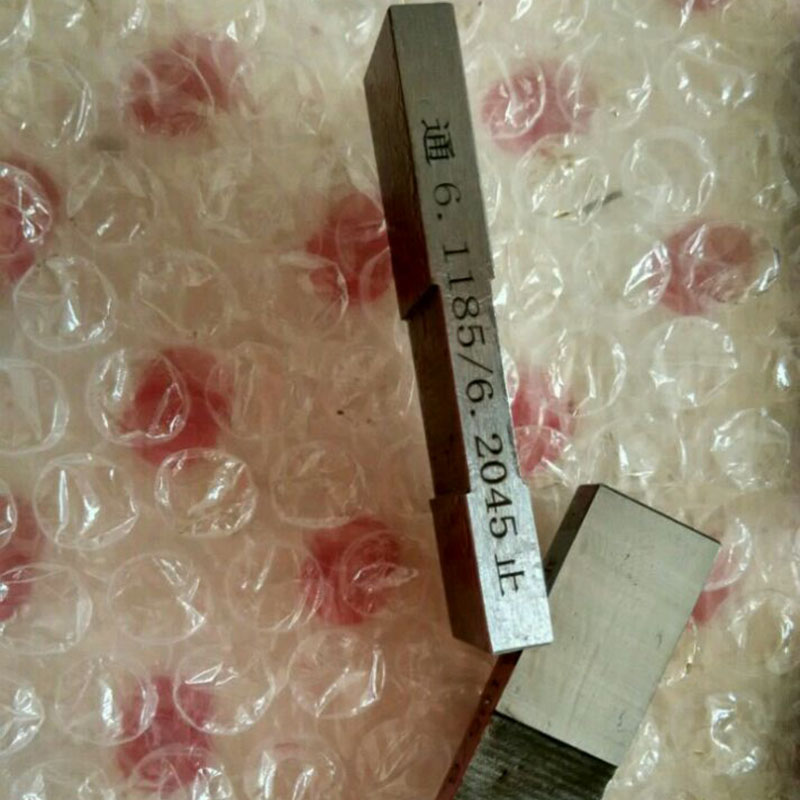
Snap-On Gauge Precision and Reliability in Measurement In the world of engineering and manufacturing, precision measurement tools are paramount. Among these tools, the Snap-On gauge stands out as a reliable and precise measuring instrument that has been favored by professionals across various industries. This article delves into the significance of Snap-On gauges, their applications, and why they are a preferred choice for measurement tasks. Snap-On Gauge Precision and Reliability in Measurement One of the prominent features of Snap-On gauges is their ability to provide a go/no-go measurement. This means that the gauge is designed to either fit over a part or not, thereby offering a clear indication of whether the part falls within the acceptable size range. This binary measurement is particularly beneficial in high-volume production environments, where ensuring consistency across products is critical to maintaining quality control. snap on gauge Snap-On gauges come in various forms, including internal gauges, external gauges, and depth gauges, each tailored for specific applications. Internal gauges, for instance, are designed to measure the diameter of holes, while external gauges are used to measure the thickness or diameter of shafts and other components. Depth gauges serve to measure the depth of holes and recesses accurately. The versatility of Snap-On gauges makes them indispensable in fields such as automotive manufacturing, aerospace, and construction. Another significant advantage of Snap-On gauges is their robust construction. These instruments are typically made from high-quality materials, ensuring durability and resistance to wear and tear. Additionally, their designs often include features that protect them from damage during use, such as shock-absorbing elements. This robustness translates into longevity, making them a valuable investment for any workshop or manufacturing facility. Accuracy and reliability are at the heart of any measuring tool, and Snap-On gauges excel in this regard. Each gauge undergoes rigorous testing to ensure that it meets strict accuracy standards, providing users with confidence in their measurements. This level of precision is vital, as even minor discrepancies can lead to significant issues in assembly and functionality, especially in industries that require exact specifications. In conclusion, Snap-On gauges are essential tools that combine precision, reliability, and user-friendly design. Their ability to provide quick, accurate measurements makes them an invaluable asset in various manufacturing and engineering applications. With their robust construction and clear measurement indicators, Snap-On gauges not only enhance productivity but also contribute to ensuring the quality and performance of final products. Whether in a bustling production line or a quiet workshop, Snap-On gauges stand as a testament to the power of precision engineering, helping professionals achieve excellence in their craft.
-

High quality industrial productsagement

High quality industrial products
View Details -

Meet the diverse needs of customers

Meet the diverse needs of customers
View Details -

Strict quality control

Strict quality control
View Details -

Top raw materials

Top raw materials
View Details -

Trusted supplier

Trusted supplier
View Details
Our application


news and information
which way to turn off water valve
Turning off a water valve might seem like a straightforward task, but understanding the nuances can

welding tables should be made of
The Importance of Welding Tables Material Considerations Welding is an essential process in various
y type water strainer
Understanding Y-Type Water Strainers Functionality, Benefits, and Applications Water strainers are e
 English